
What Is an Adapted Physical Education (APE) Teacher?
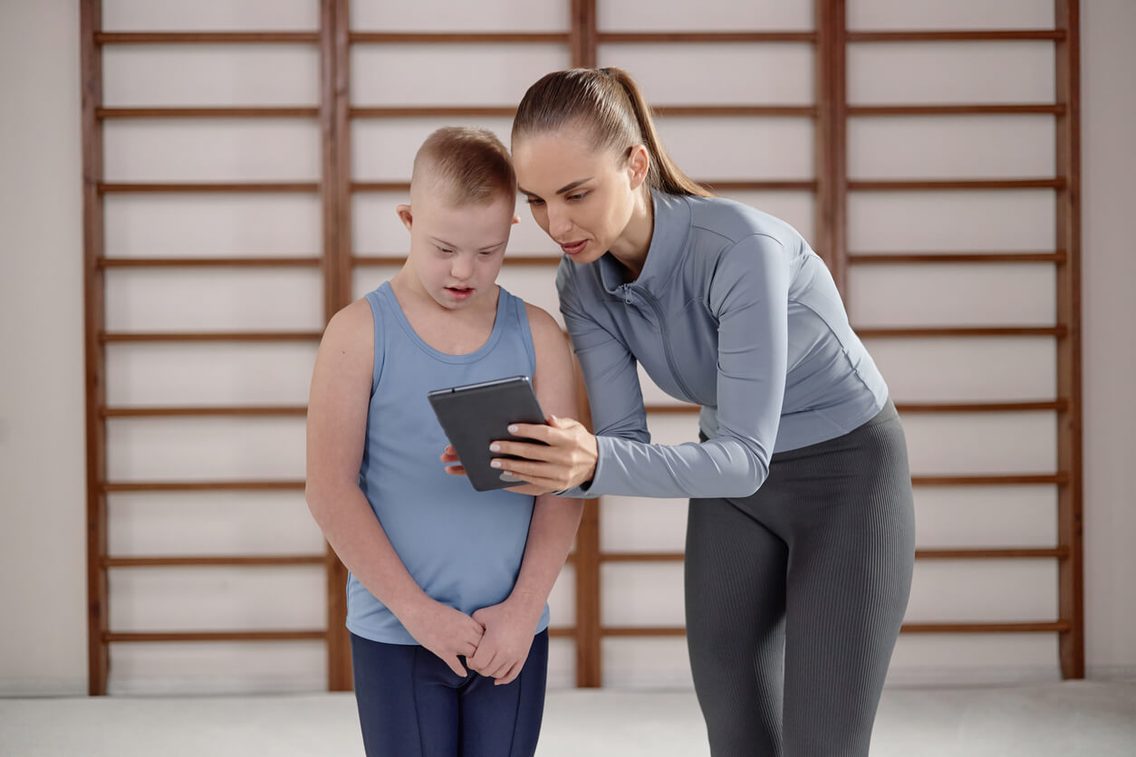
For many students, physical education is a chance to play games, try new activities, and enjoy being active with their classmates. But for students with disabilities, traditional PE activities aren’t always accessible without additional support or modifications. That’s where adapted physical education (APE) teachers become especially important.
An adapted physical education (APE) teacher, also known as an adaptive PE teacher, is a specialized educator who helps students with disabilities develop physical skills and participate meaningfully in physical education. And today, this rewarding work isn’t limited to the school gym. With remote opportunities, APE teachers can also support students through virtual instruction.
Whether you’re considering a career in adapted PE or exploring new ways to use your teaching skills, here’s what you should know about the role, its responsibilities, and the growing opportunities for virtual instruction.
What Is an Adaptive Physical Education Teacher?
At the heart of adapted physical education is the understanding that every student learns and moves differently. APE teachers use this individualized approach to help students strengthen their motor skills, improve coordination, and develop a positive relationship with physical activity.
APE teachers also work closely with special education teams, therapists, and families to develop, implement, and monitor students’ Individualized Education Program (IEP) goals. By combining specialized expertise with encouragement and creativity, they help students celebrate meaningful milestones and build a lasting sense of confidence and independence.
What Is the Difference Between PE and Adapted PE?
Traditional physical education and adapted physical education share an important goal: helping students develop movement skills, improve physical fitness, and build healthy habits. The difference lies in how instruction is designed and delivered to meet students’ needs.
General physical education teachers typically plan activities for an entire class, making modifications when necessary. Adapted PE teachers specialize in providing individualized or specially designed physical education instruction for students with disabilities who need additional support.
For example, an adapted PE teacher might modify a basketball activity by using a lighter ball, lowering the basket, or changing the rules to help a student participate successfully.
Depending on a student’s needs, APE teachers may work with students individually, in small groups, or alongside general PE teachers to make traditional physical education classes more inclusive.
Who Needs Adapted Physical Education?
APE teachers support students with a wide range of physical, developmental, intellectual, sensory, and other disabilities that may affect their ability to participate in traditional physical education activities.
Under the Individuals with Disabilities Education Act (IDEA), schools must make physical education available to eligible students with disabilities, including specially designed instruction when necessary. Not every student with a disability needs specialized APE services. When additional support is necessary, the student’s educational team determines appropriate services through the evaluation and IEP process.
What Does an Adaptive PE Teacher Do?
There’s a lot more to being an APE teacher than modifying games or leading exercises. These educators combine knowledge of physical education, motor development, and special education to create meaningful learning experiences for students.
While responsibilities vary depending on the school, student population, and learning environment, common adapted physical education teacher duties include:
- Assessing student abilities: Evaluate motor skills, coordination, balance, and individual physical education needs.
- Developing individualized PE lessons: Create engaging activities tailored to students’ abilities and goals.
- Supporting IEP goals: Collaborate with IEP teams to develop, implement, and monitor physical education goals.
- Modifying activities and equipment: Adapt games, exercises, and equipment to improve accessibility and participation.
- Monitoring student progress: Track physical development and participation, adjusting instruction as needed.
- Collaborating with school teams: Work with teachers, therapists, and families to support student success.
- Encouraging confidence and participation: Motivate students through achievable goals, encouragement, and inclusive activities.
Adaptive Physical Education Teacher Job Description
An adaptive physical education teacher job description can vary depending on the school, district, and students being served. Some APE teachers work at a single school, while others split their time between multiple campuses or provide services to students across different grade levels. Positions may involve individual sessions, small-group instruction, or supporting students within general physical education classes.
Beyond teaching, APE teachers often coordinate service schedules, maintain student records, attend IEP meetings, and work with school administrators to ensure students receive appropriate support. Depending on the position, they may also be responsible for maintaining adapted PE equipment, documenting service delivery, and completing required progress reports.
For remote adaptive physical education teacher jobs, the day-to-day work looks a little different. Virtual APE teachers may support students across multiple schools from a remote workspace, coordinate session schedules with on-site facilitators, and use digital systems to manage documentation and communication. While specific expectations vary, these positions require strong organization, independence, and the ability to stay connected with school teams from a distance.
How Does Virtual Adapted PE Work?
Instead of demonstrating movements in person, a remote APE teacher might use visual instructions, video demonstrations, and carefully selected activities to guide the student through the lesson. Depending on the student’s needs, remote APE instruction may involve:
- Leading live movement activities through video conferencing platforms
- Demonstrating exercises and breaking movements into manageable steps
- Modifying activities to accommodate available equipment and space
- Observing student movements and providing real-time feedback
- Monitoring progress toward individualized physical education goals
- Collaborating with on-site staff or caregivers to facilitate activities safely
- Participating in virtual IEP meetings and communicating with school teams
Virtual APE can also help schools overcome staffing challenges by connecting students with specialized educators who may not be available locally, opening new possibilities for both schools and teachers.
Explore Adapted PE Teacher Opportunities with VocoVision
For educators who love thinking outside the box, adapted physical education offers a career where creativity and problem-solving are part of the everyday experience. And as schools explore new ways to connect students with specialized support, virtual teaching is creating additional opportunities to put those skills to work.
At VocoVision, we connect qualified educators with flexible, remote opportunities to support students across the country. Whether you’re looking to transition from in-person teaching or explore a new chapter in your career, discover our adapted physical education teacher jobs and find an opportunity that fits your experience and goals.
Want to learn more about building your career in virtual education? Check out VocoVision’s career resources for more helpful advice on resumes, interviews, and navigating the world of teletherapy.