
How to Become a Remote Adaptive Physical Education (APE) Teacher
For students with disabilities, movement can mean so much more than exercise. It can mean joining an activity for the first time, building confidence, gaining independence, or discovering new ways to participate in the school day.
Adapted physical education (APE) teachers help make those experiences possible, and today, that support does not always have to happen in the same physical space. With virtual tools, collaboration, and thoughtfully adapted instruction, APE teachers can help schools expand access to specialized physical education services for students who may otherwise struggle to receive them.
If you’re an educator who believes every student deserves to feel strong, included, and capable, a remote APE career may be worth exploring. Below, learn how to become an adaptive physical education teacher, what qualifications you may need, and how APE services can work in a virtual school setting.
What Is a Remote Adaptive Physical Education Teacher?
Adapted physical education, often called APE or adaptive PE, is specialized physical education designed to help students with physical, developmental, sensory, intellectual, or emotional disabilities safely and meaningfully participate in movement-based learning.
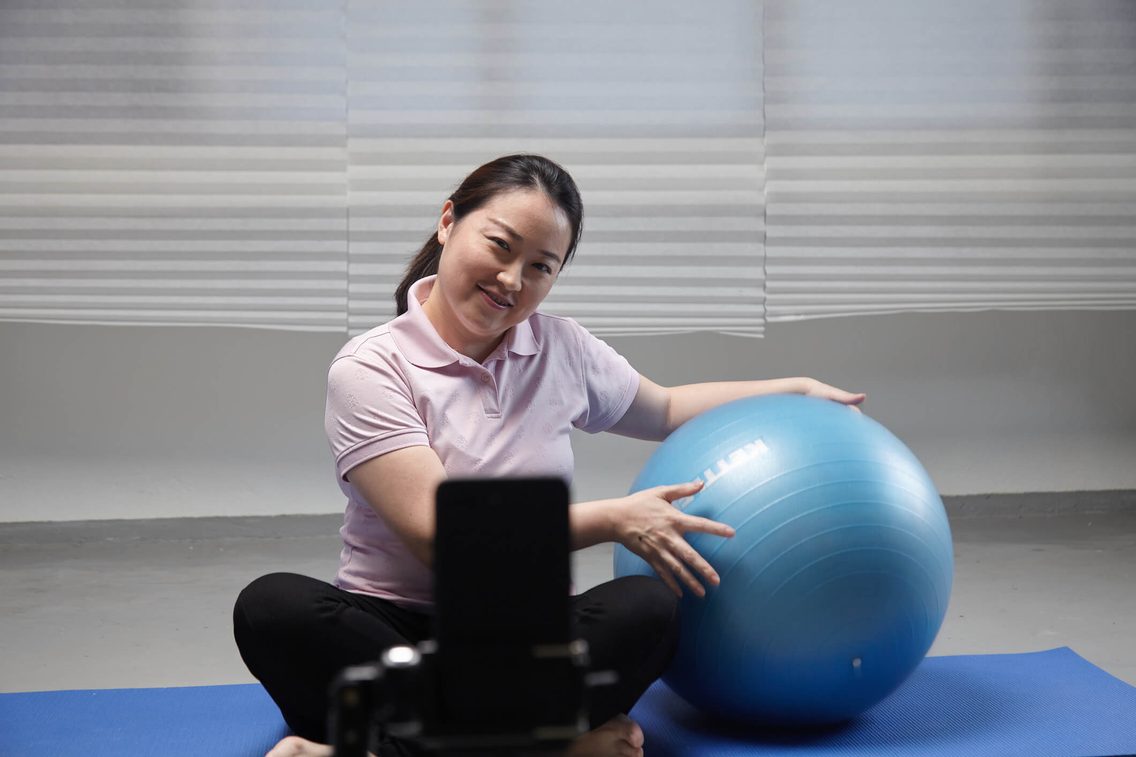
A remote APE teacher provides this specialized support virtually rather than working with students exclusively in person. Through secure video platforms, virtual APE teachers can observe movement, provide instruction and demonstrations, develop individualized activities, monitor student progress, and collaborate with the school staff or caregivers supporting the student in person.
What Do Remote APE Teachers Do?
Virtual APE can look different from traditional physical education, but the goal remains the same: helping every student access meaningful movement and physical education in a way that works for them.
Depending on a student’s needs and the school’s service model, a remote APE teacher may:
- Assess students’ motor skills, movement abilities, and physical education needs
- Develop adapted PE goals for students’ Individualized Education Programs, or IEPs
- Lead or support virtual movement activities
- Modify exercises and activities based on a student’s abilities, environment, and available equipment
- Provide guidance to school staff or caregivers helping facilitate activities in person
- Collaborate with general PE teachers, special education teachers, therapists, families, and IEP teams
- Monitor progress in areas such as balance, coordination, locomotor skills, strength, endurance, and object control
- Help students build confidence, independence, and a positive relationship with movement
Step-by-Step Guide: How to Become a Remote Adaptive Physical Education Teacher
Step 1: Earn an Adaptive Physical Education Degree
The first major step is earning a bachelor’s degree, usually in physical education, kinesiology, exercise science, health education, special education, or a related field.
For many future APE teachers, a physical education teacher preparation program is the most direct starting point because it typically includes coursework in motor development, exercise science, physical education instruction, classroom management, assessments, and inclusive education.
If your goal is eventually to work remotely, it can also be helpful to build experience using educational technology and thinking creatively about how movement-based instruction can be adapted beyond a traditional gym or classroom.
Step 2: Complete a Teacher Preparation Program
Most public school teaching roles require completion of a state-approved teacher preparation program. Teacher preparation programs typically include classroom coursework, supervised teaching experiences, and student teaching.
Aspiring APE teachers should look for opportunities to work with students with disabilities whenever possible. This might include adapted PE placements, inclusive sports programs, special education classrooms, or community recreation programs.
Step 3: Meet Adaptive Physical Education Certification Requirements
Because remote adapted physical education is connected to school-based PE services, many APE teachers begin by becoming licensed or certified as physical education teachers.
Requirements vary by state, but this usually involves:
- Earning a bachelor’s degree
- Completing an approved teacher preparation program
- Passing required state exams
- Completing student teaching or field experience
- Applying for a state teaching license or certification
Some states may offer specific adapted physical education endorsements, authorizations, or added certifications. Others may not have a separate adaptive physical education certification and may instead require PE licensure with additional coursework or experience in adapted physical education.
Because every state is different, it’s important to check your state department of education’s adaptive PE teacher requirements before choosing a program or applying for jobs.
Step 4: Explore Virtual APE Teacher Job Opportunities
Once you have the right education, licensure, and experience, you can begin exploring and applying for remote adapted physical education teacher jobs. Keep in mind that remote APE roles may be listed under several different job titles, including:
- Remote Adapted Physical Education Teacher
- Virtual Adaptive Physical Education Teacher
- Remote APE Teacher
- Teletherapy APE Teacher
- Virtual Physical Education Teacher – Adapted PE
- Remote Special Education Physical Education Teacher
You can also explore VocoVision’s career resources for remote APE teachers for additional information on applications, resumes, interviews, and virtual education careers.
What Do Schools Look For in Remote APE Teachers?
The core qualifications for remote APE teachers are generally similar to those required for in-person roles. However, working virtually also requires a slightly different skill set. Beyond the technical requirements for the role, remote APE teachers should be comfortable:
- Using video conferencing and virtual education technology
- Demonstrating activities clearly through a screen
- Modifying movement activities for different home or school environments
- Observing and assessing student movement virtually
- Giving clear instructions to students and on-site support staff
- Collaborating with special education teams, therapists, families, and general PE teachers
- Tracking student progress and contributing to IEP goals
- Finding creative ways to keep students engaged and motivated remotely
Start Your Teletherapy Career as an Adapted Physical Education Teacher
Successful APE teachers bring patience, adaptability, and a genuine belief that every student deserves meaningful opportunities to move, participate, and succeed. For educators interested in greater flexibility and new ways to reach students, virtual APE can offer another rewarding path to making that impact.
If you’re ready to make movement more inclusive, accessible, and fun, explore teletherapy jobs for adapted physical education teachers with VocoVision today!